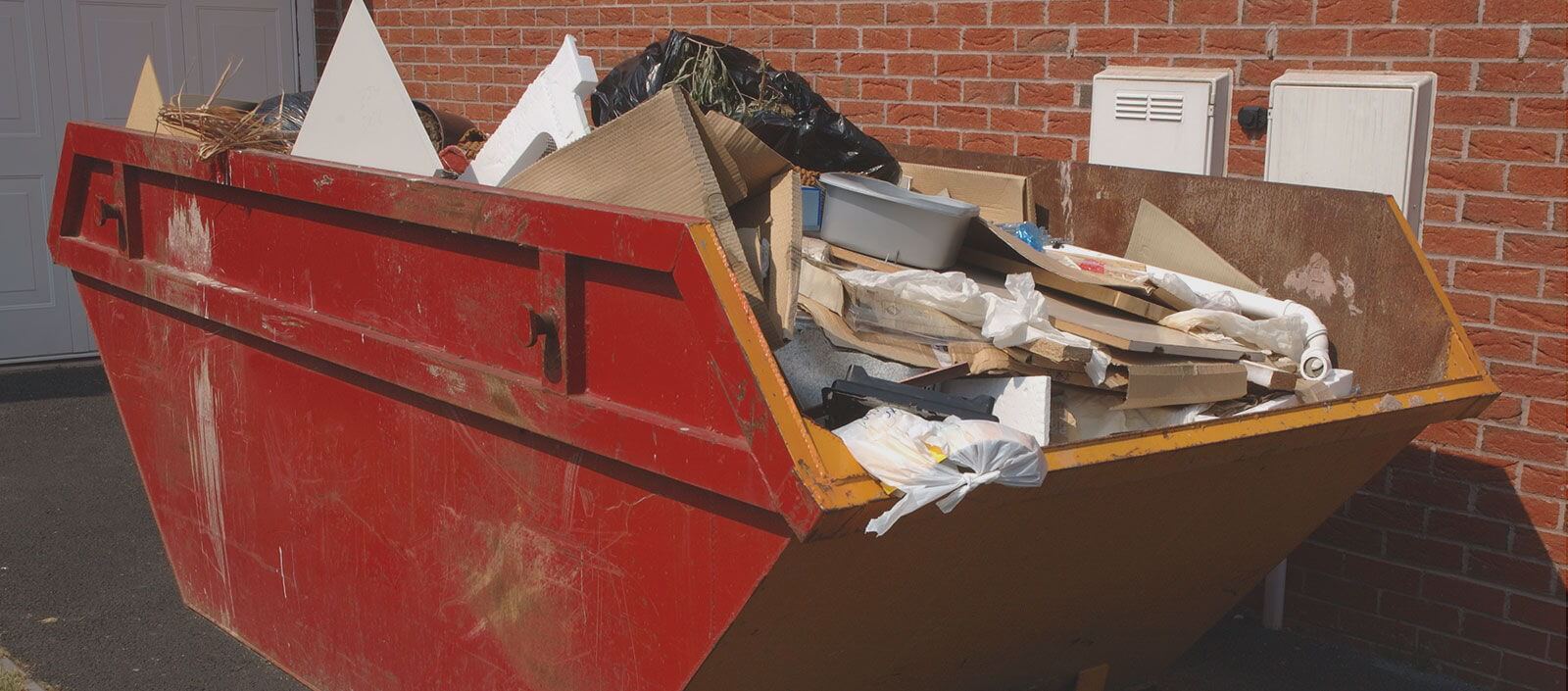
Rubbish removal near Tooting Broadway Station SW17
Posted on 27/07/2026

Rubbish removal near Tooting Broadway Station SW17: a practical local guide
If you are looking for rubbish removal near Tooting Broadway Station SW17, you are probably dealing with one of those jobs that looks simple until you actually start moving bags, boxes, or broken furniture around. A flat clearance near the station, a garden tidy-up off the high street, or a shop backroom that has quietly filled up over six months - it all creates the same problem: waste needs to go, and it needs to go properly.
This guide explains how local rubbish removal works, what to expect, how to choose the right type of collection, and what to watch out for before you hand anything over. We will also touch on practical compliance points, common mistakes, and the best way to keep costs sensible without cutting corners. To be fair, rubbish removal is one of those services people only think about when they really need it. That is exactly why a clear guide helps.
Why rubbish removal near Tooting Broadway Station SW17 matters
In a busy part of London, waste builds up quickly. That is true whether you are in a shared house, running a small business, moving out of a flat, or clearing out after renovation work. Near Tooting Broadway Station, there is the added reality of tight roads, parking pressure, and foot traffic. All of that makes old-fashioned "I'll sort it later" thinking a bit of a trap.
Rubbish left too long can block hallways, attract pests, create trip hazards, and make properties feel smaller and more stressful than they really are. If you are preparing a rental, sale, refurbishment, or handover, the difference between a clean, clear space and a cluttered one can be huge. Sometimes it is literally the difference between a job that feels manageable and one that turns into a Saturday from hell.
Local rubbish removal also matters because London waste disposal is not just about loading things into a van. It is about sorting the right materials, handling bulky items safely, keeping recyclable material separate where possible, and making sure waste is transferred to the right facility. If you want a service that is quick but still responsible, that balance matters a lot.
If you are researching wider waste support in the area, it can also help to look at the full services overview to understand how different waste types are usually handled in Tooting.
How rubbish removal near Tooting Broadway Station SW17 works
Most local rubbish removal jobs follow a fairly simple process. The details vary depending on the volume, access, and type of waste, but the basic structure is the same.
1. You describe the waste. That might be mixed household rubbish, old furniture, appliances, builders' debris, garden cuttings, or office junk. Clear descriptions save time and reduce surprises. Nobody enjoys a van turning up and discovering that the "one old sofa" is actually a sofa, two armchairs, a broken desk, and a mysteriously heavy box of tiles.
2. The load is assessed. A responsible removal team will usually need to understand roughly how much space the waste will take, how easy it is to access, and whether any items need special handling. For example, a first-floor flat with narrow stairs is a different job from a ground-floor office with rear access.
3. Waste is collected. Depending on the setup, this may happen as a one-off collection or as part of a larger clearance. Items are normally loaded by hand, sorted where possible, and removed in a suitable vehicle.
4. Waste is transported and processed. Good practice means the waste should be taken to an appropriate transfer station, recycling facility, or disposal site. A simple collection is only half the job; what happens after pickup is the part people often forget about.
5. A record should be available where needed. For business waste or larger clearances, documentation may matter. This is one reason why using a proper operator is better than relying on someone with a van and a vague promise.
For many people, the most useful thing is speed. For others, it is simply getting rid of awkward waste without having to organise transport themselves. Either way, the process should feel straightforward. If it does not, that is usually a sign to ask more questions.
Key benefits and practical advantages
There are plenty of reasons people choose a local rubbish collection or waste removal service around Tooting Broadway. Some are obvious, others show up only after the job is done.
- Speed: You can clear a space quickly instead of waiting around for council collection slots or trying to arrange multiple car trips.
- Convenience: Heavy lifting, loading, and transport are handled for you.
- Better access planning: Local operators understand the realities of SW17 streets, parking, and time-sensitive collections.
- Less disruption: A fast clearance keeps a home, shop, or office usable.
- Cleaner end result: Proper collection often leaves the area far tidier than a do-it-yourself removal.
- More responsible disposal: Reuse and recycling opportunities are easier to build in when a professional team sorts the waste.
There is also the calm factor. It sounds small, but clearing clutter can change how a room feels. A packed spare room can make a property feel awkward. Clear it out and, suddenly, the same room looks breathable again. You notice it straight away.
If your project involves specific items, such as worn-out chairs, a damaged fridge, or old flat-pack furniture, targeted services can be a better fit. For example, furniture disposal in Tooting is often the cleanest solution for bulky household items, while appliance disposal for white goods makes more sense when the job is mainly fridges, freezers, washing machines, or similar items.
Who this is for and when it makes sense
Rubbish removal near Tooting Broadway Station SW17 is useful for a wide range of people, not just households doing a deep clean. In practice, the biggest users tend to fall into a few groups.
- Tenants moving out: Last-minute clutter, damaged furniture, or leftover bags can be cleared before checkout.
- Landlords and letting agents: End-of-tenancy clearances are much easier when rubbish is removed quickly and professionally.
- Homeowners: Loft clutter, shed waste, and old furniture often build up slowly until the room becomes unusable.
- Local businesses: Shops, cafes, small offices, and studios often need discreet, timely removal of packaging, fixtures, or general rubbish.
- Renovators and builders: Waste from strip-outs, refurbishments, or small construction jobs can stack up fast.
There are also situations where rubbish removal makes more sense than separate specialist services. If the load is mixed and time is tight, a broader clearance may be easier than booking several different collections. On the other hand, if you only have one category of item, a more targeted option may be cleaner and more economical.
For example, someone clearing a home after a move might use house clearance in Tooting, while a small company with outdated desks and filing cabinets may prefer office clearance in Tooting. It depends on the mess in front of you, not the label on the page.
Step-by-step guidance
If you want the job to go smoothly, it helps to break it into stages. Here is a practical way to approach it.
- Sort the waste by type. Separate general rubbish, furniture, garden material, appliances, and builders' waste if you can. Mixed loads are fine, but sorting makes planning easier.
- Identify anything unusual. Paint tins, batteries, chemicals, sharp materials, and electrical items may need special care. Do not hide them in the pile and hope for the best.
- Estimate the volume. Think in terms of bags, rooms, or van space. A rough list is useful, even if it is not perfect.
- Check access. Note stairs, lifts, parking restrictions, gated entries, and loading limits. This matters more in central and well-connected parts of London than people expect.
- Request a clear quote. Ask what is included. Collection, labour, disposal, and any extra handling should be transparent.
- Prepare the area. Put the rubbish where it can be loaded safely. Small prep work can save a lot of time on the day.
- Confirm timing. If you are on a deadline, say so. Moving day and end-of-tenancy deadlines have a habit of arriving early.
- Ask about recycling and transfer. A good operator should be able to explain how waste is processed in broad terms.
That last point is worth pausing on. If someone cannot explain what happens after pickup, that is not ideal. You do not need a lecture, but you do want confidence that your waste is being handled properly.
For wider support around waste and mixed load removal, waste removal in Tooting is often the best fit when the job is more than a simple bag collection and less than a full property clearance.
Expert tips for better results
In our experience, the jobs that go best are the ones where the customer has thought about the little details upfront. Nothing fancy. Just practical preparation.
- Photograph the load before you book: A few clear photos usually help with pricing and timing.
- Keep routes clear: Hallways, stairwells, and front paths should be as open as possible. It sounds obvious, but people forget.
- Separate reusable items: If a chair, table, or appliance could be reused, keep it apart from broken waste.
- Be honest about access: If there is no parking close by, say so early. Surprises are expensive.
- Book before deadlines: End-of-tenancy, renovation sign-off, and shop refits all run better with a bit of slack.
Another small tip: think about the order in which items will be removed. Heavy stuff first is often sensible, but not always. Sometimes the best starting point is whatever blocks the rest of the load. There is no single magic formula.
If your waste includes old desks, cabinets, or workstations, a focused option such as commercial waste removal in Tooting can keep things efficient without overcomplicating the job.
And yes, sometimes the smallest thing makes the biggest difference. A clear doorway can save ten minutes. A labelled pile can save twenty. Not glamorous, but very real.
Common mistakes to avoid
Most problems with rubbish removal are avoidable. They usually come down to poor planning or vague communication.
- Underestimating volume: That "small pile" often turns into a full load once everything is grouped together.
- Mixing special items in with general waste: Electricals, sharp materials, and chemicals should be identified clearly.
- Ignoring access issues: Tight staircases, parking restrictions, and loading challenges can affect the final job.
- Choosing purely on price: The cheapest quote is not always the best value if it leaves out labour, disposal, or responsible handling.
- Waiting until the last minute: That tends to make everything more stressful and less flexible.
One common mistake deserves special mention: assuming all rubbish is the same. It is not. Garden waste, building rubble, furniture, and mixed household waste all behave differently in the real world. They fill vehicles differently, they need different handling, and they may have different disposal routes. So yes, the bin bag idea is only the beginning.
If you need help with site waste after a renovation or strip-out, builders waste disposal in Tooting is the more suitable route than a generic rubbish pickup.
Tools, resources and recommendations
You do not need specialist equipment to organise rubbish removal well, but a few simple tools make the process smoother.
- Phone camera: Use it to document the waste before collection.
- Basic labels or marker pens: Helpful for separating items by room or category.
- Heavy-duty bags and boxes: Safer and easier to move than flimsy carrier bags.
- Measuring tape: Useful if you need to describe bulky furniture or awkward items.
- Access notes: A quick note on parking, lifts, or entry points can prevent delays.
Recommended approach? Keep it simple. A tidy list of what needs removing, a few photos, and a realistic idea of the volume are usually enough to get a useful quote. If the job involves mixed domestic items, domestic waste collection in Tooting can be a sensible option for straightforward household clearances.
For people comparing related waste services, it is also worth understanding how rubbish collection in Tooting differs from broader removal. Collection is often about direct pickup of smaller or simpler loads, while removal and clearance may include more loading support and mixed material handling.
Law, compliance, standards, and best practice
Waste removal in the UK is not something to treat casually. You do not need to become a compliance expert, but you should know the basics.
Use a legitimate waste carrier. If someone is transporting your rubbish, they should be operating lawfully and responsibly. A proper waste carrier should be able to explain their status and how waste is handled. That is one of the reasons it is worth looking at a company's waste carrier licence and compliance information before you book.
Keep records where needed. Businesses often need more care with documentation than private households. If you are clearing an office, shop, or worksite, make sure paperwork and transfer details are not treated like an afterthought.
Separate hazardous or restricted items. Some materials need specific handling. Do not bundle them into general rubbish just because it is easier. That is the sort of shortcut that creates bigger problems later.
Support recycling where possible. Best practice is to prioritise reuse and recycling before disposal. This is common sense as much as it is good waste management. It reduces pressure on landfill and helps keep the process more responsible.
There are also trust and safety considerations. A sensible operator should be insured and clear about how work is carried out. If you want reassurance on that side, insurance and safety information is a useful thing to review early. Likewise, good businesses are usually transparent about recycling and sustainability, even if they keep the language plain and practical.
All of this sounds a bit formal, maybe. But the real-world version is simple: choose someone who is careful with your waste, respectful of your property, and clear about what happens next.
Options, methods, and comparison table
There are a few ways to deal with rubbish near Tooting Broadway Station SW17. The right choice depends on the load, your deadline, and how much labour you want to do yourself.
| Option | Best for | Pros | Watch out for |
|---|---|---|---|
| Self-removal | Very small loads and flexible schedules | Can suit low-volume jobs | Time, lifting, parking, multiple trips |
| Rubbish collection | Smaller or straightforward waste loads | Quick and convenient | May not suit bulky mixed waste |
| Waste removal | Mixed loads and fuller clearances | More flexible and practical | Needs accurate load description |
| House or office clearance | Whole rooms, properties, or workspaces | Most comprehensive approach | More planning required |
If you are stuck between options, ask a simple question: do I need someone to take away a few items, or do I need a space cleared properly from top to bottom? That answer usually points you in the right direction.
For bigger domestic jobs, loft clearance in Tooting can be the right match when the issue is stored clutter rather than day-to-day rubbish. Likewise, old sofas or beds are often best handled through furniture removal in Tooting instead of being treated as mixed general waste.
Case study or real-world example
Picture a typical weekday morning near Tooting Broadway. A tenant is moving out of a two-bedroom flat. There are four black bags of general rubbish, a broken desk chair, an old mattress, a bag of mixed kitchen items, and a small pile of packaging from a recent furniture delivery. Nothing outrageous. But together, it is enough to make the hallway feel crowded and the exit process awkward.
The tenant could try to break the job into pieces over several days. They could also take the DIY route and make repeated trips. But with a move deadline looming and a busy station area not exactly ideal for parking games, the easier route is to organise a local collection. The waste is described clearly, access is explained upfront, and the items are removed in one visit. The flat is left clear, the move becomes simpler, and the stress level drops a notch or two.
That is the real value of a good rubbish removal service: not just disposal, but breathing room. It can turn a chaotic handover into a straightforward one. And if you have ever tried to move a mattress down stairs on your own, you already know why this matters.
In a business setting, the same principle applies. A small office near the station may need old desks, packaging, and clutter removed before new staff arrive. Using a focused service rather than letting it drag on keeps the workspace usable and avoids that half-finished look nobody wants.
Practical checklist
Use this quick checklist before booking rubbish removal near Tooting Broadway Station SW17.
- List everything that needs removing.
- Separate furniture, appliances, garden waste, and builders' waste if possible.
- Take photos of the load from a few angles.
- Note access details, parking restrictions, and any stairs or lifts.
- Check whether any items may need special handling.
- Decide whether you need collection, removal, or a full clearance.
- Ask what is included in the quote.
- Confirm the timing and make sure the area is accessible on the day.
- Keep valuable or reusable items separate.
- Review compliance and safety details if the job is commercial or sizeable.
Expert summary: The best rubbish removal job is not always the fastest one to book - it is the one that is described clearly, priced fairly, and handled with care. If you get those three things right, the rest usually falls into place.
Get a free quote today and see how much you can save.
Conclusion
Rubbish removal near Tooting Broadway Station SW17 is really about making busy life easier. Whether you are clearing a flat, managing a move, tidying a shop, or dealing with renovation waste, the right service helps you move from cluttered to clear without dragging the job out for days.
The key is to be specific about what you need, honest about access, and realistic about the type of waste you have. That keeps the process smoother, safer, and less expensive in the long run. And if you are comparing services, remember that a proper waste operator should offer more than a van and a handshake. They should offer confidence.
For broader local support, it can help to explore about the company and see how its wider approach fits your expectations. If you want to keep things simple, efficient, and tidy, that is usually the right place to start.
At the end of the day, a cleared space just feels better. Quieter. Lighter. Easier to live in.