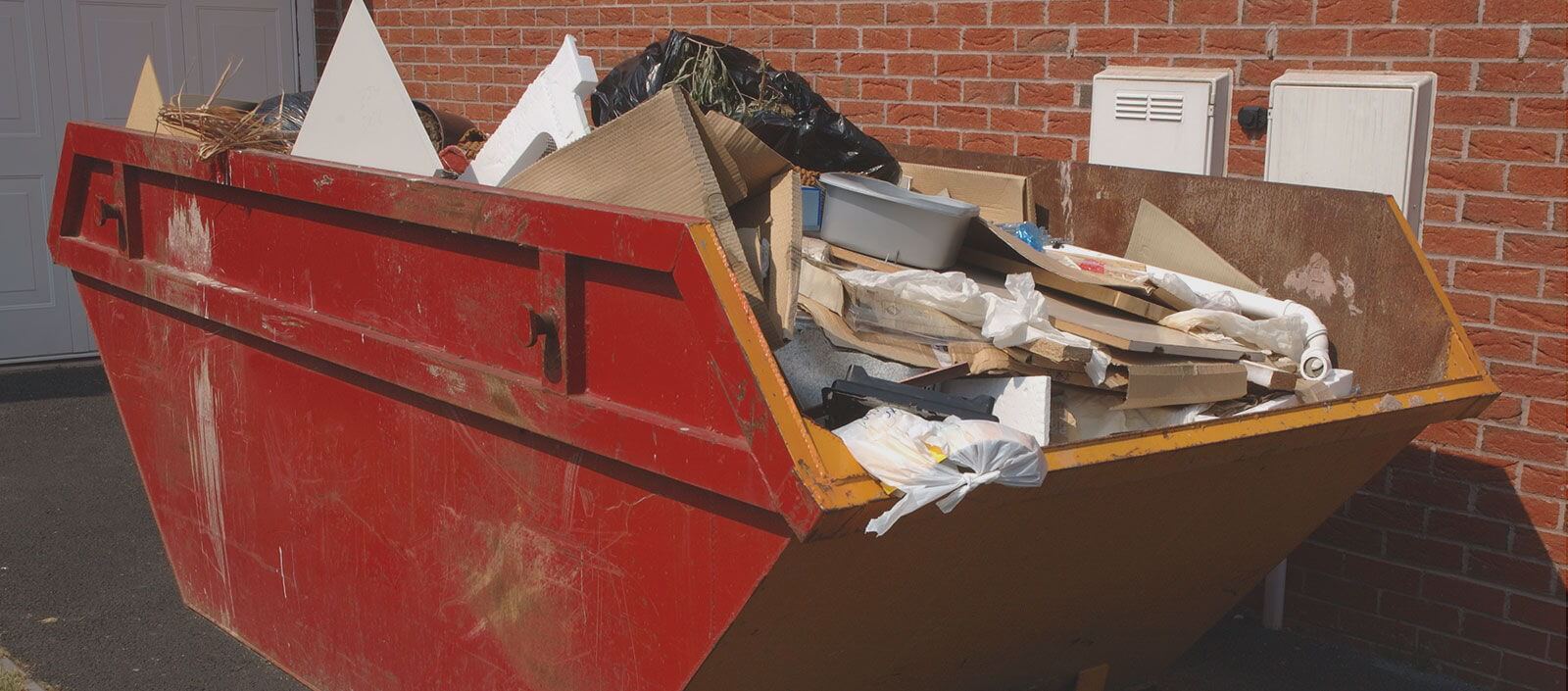
Garden waste removal for Tooting Bec Common homes
Posted on 02/09/2026
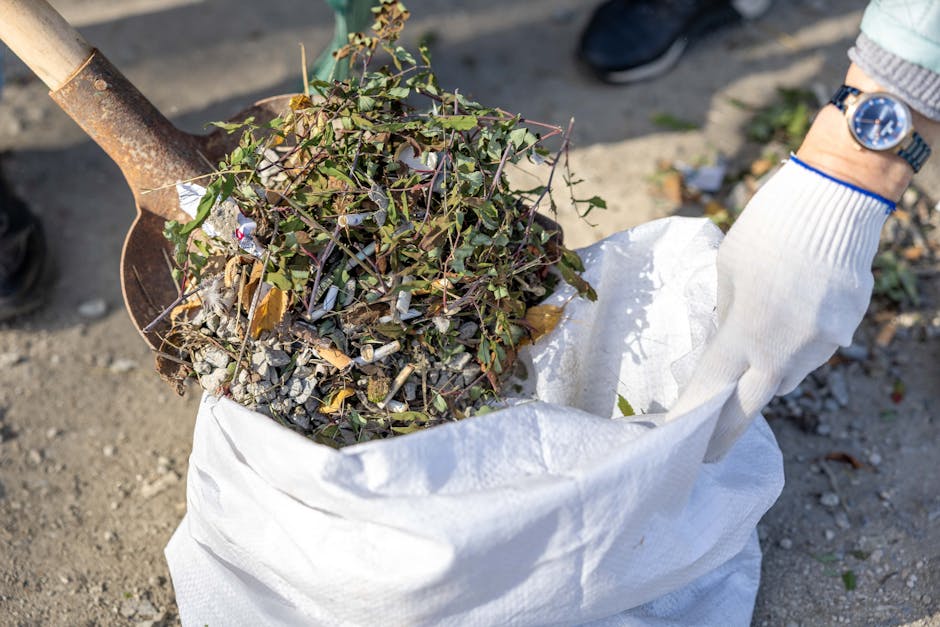
Garden waste removal for Tooting Bec Common homes: a practical local guide
If your garden is starting to look more like a holding area for cuttings, branches, old turf and half-finished weekend projects, you are not alone. Garden waste removal for Tooting Bec Common homes is one of those jobs that looks simple right up until you've got three piles on the lawn, a blocked path, and nowhere sensible to put a stubborn heap of ivy. Truth be told, it happens fast.
This guide explains how garden clearance usually works, what counts as green waste, when a professional collection makes sense, and how to avoid the common mistakes that cost time or create unnecessary hassle. It is written for local homes near the Common, where space is often tight and access can be awkward. You will also find a checklist, a comparison table, and a few down-to-earth tips that should make the whole job feel a lot more manageable.
Why Garden waste removal for Tooting Bec Common homes Matters
Gardens near Tooting Bec Common are often a real asset. They soften the feel of the street, give you a bit of breathing room in London, and make a small outdoor area feel surprisingly valuable. But garden maintenance produces waste in a way people often underestimate. One pruning session can leave you with bags of hedge trimmings, twigs, roots, soil, old pots, broken canes, and the odd mysterious bit of timber that has been lurking behind a shed for years.
For homes close to the Common, proper removal matters for a few practical reasons. First, the waste builds up quickly and can become a nuisance on narrow paths, side returns, or shared access areas. Second, mixed garden waste is not always as simple as "throw it in a bag." Some materials can be composted or recycled, while others need a different route entirely. Third, leaving piles outside too long can attract pests, create odours, or just make the front of your home look untidy. Not ideal, especially if you're trying to keep on top of the place.
There is also a property angle. A neat garden tends to make the whole home feel better cared for. If you live near the Common and use your outdoor space regularly, keeping on top of waste is one of those small jobs that quietly pays off. It improves kerb appeal, opens up usable space, and makes the next gardening session easier. Small thing? Maybe. But you feel it every week.
How Garden waste removal for Tooting Bec Common homes Works
In practice, garden waste removal is usually a straightforward collection and sorting process. You gather the material, separate anything unsuitable, and arrange for it to be taken away. The simplest jobs are bags of cut grass, leaves, branches and hedge clippings. More awkward jobs include heavy soil, broken fencing, old sleepers, tree stumps, or a mixture of green waste and general rubbish.
A typical collection starts with an assessment of what needs removing. That might be a quick look at the volume, the type of waste, and how easy it is to access the property. If the pile sits at the end of a long shared path, or the garden is tucked behind the house with limited entry, those details matter. Access can change the time and effort involved more than people expect.
After that, the waste is usually loaded and sorted for the most suitable processing route. Green waste is often handled differently from general household rubbish. In many cases, that means separate recycling or composting streams. If you're using a professional service, it is sensible to ask how the load will be handled, especially if you care about recycling and sustainability. That conversation is worth having. No shame in it at all.
For larger outdoor clearances, it can also overlap with other services. A garden project might generate old furniture from the shed, broken fence panels, or bags of mixed household debris. In those cases, a broader waste removal service in Tooting can be more efficient than trying to split the job into several small collections.
Key Benefits and Practical Advantages
There is a fairly obvious benefit to getting rid of garden waste: you get your space back. But the real value goes a bit beyond that. Once the waste is cleared, you can actually use the garden properly again. You see the shape of the plot, the light improves, and tasks like mowing, planting or repotting feel less like obstacle courses.
Here are the practical advantages that tend to matter most:
- Better use of space: Clear borders, paths and lawns are simply easier to work with.
- Less strain on you: Heavy sacks of soil and branches are awkward, and, let's face it, not fun to lug around.
- Cleaner appearance: A tidy garden makes the whole property look more settled and cared for.
- Reduced clutter: Fewer piles means fewer places for moisture, mould, pests or stray litter to gather.
- More efficient maintenance: Once the garden is clear, future upkeep gets easier.
There is also a quieter advantage: peace of mind. A lot of homeowners near the Common do their garden work in stages, often over a couple of weekends, and waste can sit around in bags for too long because life gets busy. School runs, work, rain, one decent football match on television... all of it gets in the way. A proper removal takes that hanging job off your list.
If your clearance is part of a broader home project, you may also want to look at domestic waste collection in Tooting so the garden tidy-up doesn't end up competing with general household clutter.
Who This Is For and When It Makes Sense
Garden clearance is not only for people with huge overgrown plots. In fact, smaller gardens often benefit most because there is less room to store waste while you decide what to do with it. If your home near Tooting Bec Common has a compact yard, terrace garden, patio space or a narrow rear garden, waste can take over quickly.
This service makes sense for:
- homeowners after seasonal pruning or a big tidy-up
- landlords refreshing a garden between tenancies
- tenants who have taken responsibility for clearing an overgrown outdoor area
- people dealing with storm damage, fallen branches or blown debris
- families tackling a full garden redesign
- anyone who has more waste than their council container can reasonably handle
It also comes in handy after events that leave the garden looking a bit defeated. A barbecue that ran late into the evening. A windy week. A hedge cut that was supposed to be quick and somehow became the entire afternoon. You know the type. If you are looking for nearby context on the local area and how people use their homes here, the articles on why people like living in Tooting and whether Tooting is a good place to settle are useful background reading.
Step-by-Step Guidance
If you want to keep the process simple, work through it in stages. It does not need to be dramatic.
- Walk the garden first. Look at everything that needs to go. Separate green waste from other rubbish. A quick scan saves confusion later.
- Sort the material. Put branches, leaves, cuttings and weeds together. Keep soil, pots, timber, metal, plastic and old garden furniture apart where possible.
- Check for bulky or awkward items. Tree stumps, broken sheds, pallets and heavy root balls need more planning than a few bags of trimmings.
- Estimate the volume. Even a rough idea helps. Think in terms of bags, piles, or how many sections the waste would fill in a van.
- Clear a path. Make sure the collection route is free of plant pots, bikes, tools and anything else that gets in the way.
- Choose the right removal method. Small loads may suit a simple collection. Larger clearances often work better as part of a broader garden or household waste job.
- Confirm recycling expectations. Ask how green waste and mixed garden material will be handled. Better to ask now than wonder later.
- Schedule the collection at a sensible time. If your garden backs onto neighbours, avoid an awkward clash with quiet time or parking pressures.
One thing people often forget: wet green waste is heavier than it looks. A couple of damp sacks of hedge cuttings can feel twice as awkward when you actually lift them. Not glamorous, but very real.
Expert Tips for Better Results
Over time, the best garden clearances tend to follow the same pattern: sort early, separate waste properly, and don't leave the heavy stuff until the end. That last one matters more than people think. If you put all the branches, soil and damaged fencing in one corner first, you're asking for trouble later.
Some practical tips that make a real difference:
- Bag green waste before it becomes soggy. Dry cuttings are easier to handle and less likely to split bags.
- Cut long branches down to size. Shorter lengths are easier to lift and stack neatly.
- Keep reusable items out of the waste pile. Good pots, tools and usable timber are often better kept aside.
- Label mixed materials if needed. A quick note on a bag can save time when the load is being sorted.
- Work from the back of the garden toward the exit. It stops cleared areas getting re-cluttered.
If your garden work is part of a bigger tidy-up, you may also find it useful to think about the wider disposal picture. For example, a lot of homes near the Common combine outdoor clearance with smaller internal jobs. In those cases, it helps to look at rubbish collection in Tooting rather than treating each pile as a separate headache.
And yes, a pair of sturdy gloves helps. Obvious, maybe, but we've all had that moment where a thorn says otherwise.
Common Mistakes to Avoid
The biggest mistake is mixing everything together and hoping it sorts itself out. It usually does not. A pile containing soil, plastic plant trays, old compost bags, broken ornaments and hedge cuttings becomes more awkward to remove and may be harder to process efficiently.
Other mistakes are more subtle:
- Underestimating weight. Soil and wet waste are much heavier than a bag full of leaves.
- Leaving waste in awkward places. If the pile is at the end of a narrow passage or behind locked gates, the collection will be slower.
- Ignoring sharp or hazardous items. Broken glass, rusty metal and treated timber should be kept separate.
- Booking too late in the project. Waste collection works best when planned alongside the gardening work itself.
- Forgetting access rules. If the route passes through a shared driveway or communal space, make sure everyone knows what is happening.
There is also a financial mistake people make: paying for a full clear-out when all they really needed was a smaller mixed-load collection. If you are unsure, ask for pricing guidance before booking. The service pages on pricing and quotes and the services overview are sensible places to start.
Little efficiencies like that matter. Especially when the garden is already halfway through taking over the weekend.
Tools, Resources and Recommendations
You do not need a shed full of specialist kit to deal with garden waste properly, but the right basics help a lot. A few strong rubble sacks, gloves, a rake, loppers, secateurs and a tarp will cover most normal garden clearances. If you have hedges or small branches, a wheelbarrow can save your back. It sounds old-fashioned because it is, and it still works.
For better organisation, consider these simple tools and habits:
- Heavy-duty bags: better for damp cuttings and lighter branches.
- Tarp or sheet: useful for dragging waste to a collection point without leaving a trail of leaves behind you.
- Garden trugs or tubs: handy for smaller, repeated loads.
- Pruning tools: useful if you want to reduce waste volume before collection.
- String or twine: good for bundling branches cleanly.
For homeowners who want to keep things tidy over the long term, a simple rhythm helps. A small trim every few weeks is easier than one dramatic overgrown cleanup at the end of the season. Early evening, a cup of tea nearby, and twenty minutes of clearing can save you a lot later. Not exactly thrilling, but it works.
If you are dealing with a wider property refresh, you may also need support for other items collected during the same project. In that case, house clearance in Tooting or even loft clearance can sit alongside the garden work quite naturally.
Law, Compliance, Standards, or Best Practice
Garden waste removal sits within the wider rules and expectations around responsible waste handling in the UK. The key thing for homeowners is simple: do not leave waste with anyone who cannot handle it properly, and do not assume every load can be tipped the same way. Green waste, mixed rubbish and heavier debris may follow different routes.
From a practical standpoint, the best practice is to use a properly insured, compliant waste carrier and to keep a sensible record of what has been removed. You do not need to turn this into paperwork drama. Just make sure the service is clear about what it collects, how it transports waste, and what happens to it afterwards. That helps protect you as the householder if questions come up later.
There are also some basic safety considerations worth keeping in mind. Gloves, eye protection for pruning, sensible lifting, and careful handling of sharp or rotten materials are all part of a normal clearance routine. Nothing exotic. Just common sense, really.
If you want reassurance about safe handling and compliance more generally, the pages on waste carrier licence and compliance and insurance and safety explain the kind of standards a reputable service should be working to. The recycling and sustainability information is also worth a look if you care where the waste ends up.
Options, Methods, or Comparison Table
There is more than one way to deal with garden waste, and the right option depends on volume, access and how much time you want to spend on it. Here is a simple comparison.
| Option | Best for | Advantages | Watch-outs |
|---|---|---|---|
| DIY bagging and personal transport | Very small loads, a few bags of cuttings | Low cost, flexible timing | Time-consuming, messy, limited capacity |
| Regular garden waste handling | Routine trimming and ongoing maintenance | Steady upkeep, less buildup | Not ideal for big clearances |
| Professional garden waste collection | Medium to large loads, awkward access, heavy waste | Faster, less lifting, better for mixed loads | Needs clear sorting and access planning |
| Full mixed waste removal | Garden projects with rubble, timber, pots or old outdoor items | Convenient, handles more than just green waste | Not as specific as a pure green-waste pickup |
For many Tooting Bec Common homes, the professional route is simply the least stressful. You avoid multiple trips, you do not need to fill your car with damp clippings, and you get the whole job cleared in one go. That said, if you only have a couple of light bags, DIY is perfectly reasonable. No need to overcomplicate it.
Case Study or Real-World Example
A typical local scenario goes like this. A family home near the Common has let the back garden run a bit wild through spring. There are hedge trimmings from the fence line, old compost bags, a broken plant stand, and a small mountain of ivy cuttings. Nothing dramatic, just a lot more than expected.
At first, they try to stack everything neatly by the back gate. Then they realise the bags are too heavy to carry comfortably, the route is narrow, and the damp cuttings are starting to smell a bit earthy and old. By Saturday afternoon, the garden looks more like a temporary depot than a place to sit with a coffee.
Once the waste is sorted into green waste and mixed items, the collection becomes much easier. Branches are bundled, wet material is bagged in smaller portions, and the awkward bits are separated out. The result is simple: the garden opens up again. You can see the borders, the children have space to play, and the whole place feels like it belongs to the house again. Nothing fancy. Just relief, really.
That kind of job often sits alongside other local clearance needs, which is why some households also look at nearby rubbish removal guidance for SW17 or even broader disposal help for outdoor and indoor cleanups.
Practical Checklist
Use this checklist before your garden waste is collected:
- Separate green waste from general rubbish
- Remove sharp items, glass and hazardous debris
- Break down long branches where possible
- Keep soil and heavy root balls in manageable amounts
- Clear access paths from the garden to the exit point
- Move vehicles, bikes and bins out of the way
- Check whether shared access needs to be kept clear
- Confirm what is included in the removal
- Ask how the waste will be sorted or recycled
- Make sure bags are tied and not overfilled
Expert summary: The best garden waste removal is usually the one that feels invisible by the end of it. Good sorting, sensible planning and the right collection method turn a messy outdoor job into a tidy result without the stress spiral. That is the real win.
Get a free quote today and see how much you can save.
Conclusion
Garden waste removal for Tooting Bec Common homes is about more than clearing a few bags of clippings. It's about keeping a valuable outdoor space usable, safe and pleasant to live with. Whether you are dealing with a light seasonal tidy, a full garden overhaul or an awkward load of mixed outdoor debris, the main thing is to sort early, plan access carefully and choose a method that fits the size of the job.
For many households, the difference between a stressful weekend and a decent one comes down to one decision: do you want to keep shifting bags around, or do you want the space back? Easy answer, really. And once it is cleared, it is amazing how much calmer the garden feels.
If you take nothing else from this guide, remember this: a clean garden is not just neater. It is easier to enjoy, easier to maintain, and far less likely to become one of those jobs you keep avoiding next month. Nobody needs that sort of background stress.

 Tipper Van - Rubbish Clearance and Rubbish Removal Prices in Tooting, SW17
 Luton Van - Rubbish Clearance and Rubbish Removal Prices in Tooting, SW17