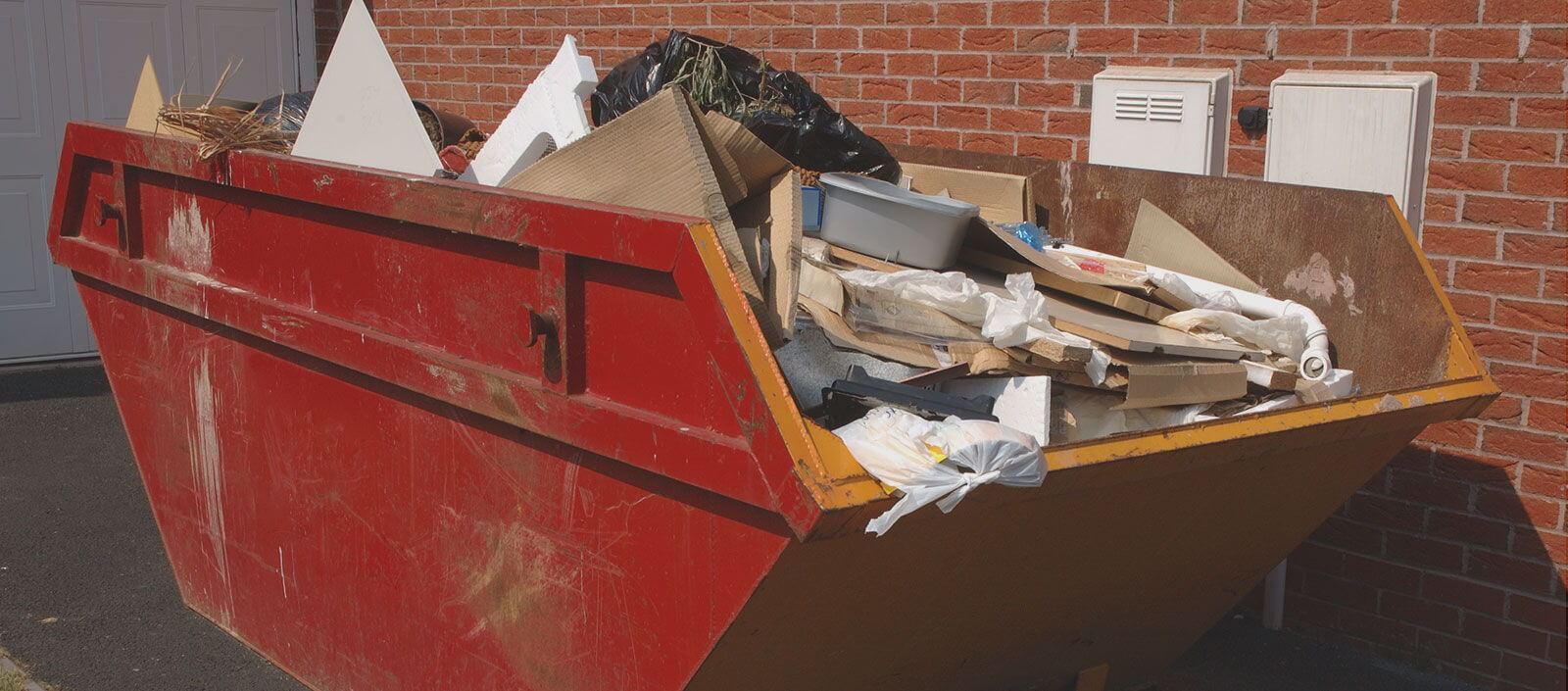
Flat clearance in Furzedown SW17 rubbish removal
Posted on 12/10/2026

Flat clearance in Furzedown SW17 rubbish removal: a practical guide for homes, landlords, and busy London flats
If you are looking into Flat clearance in Furzedown SW17 rubbish removal, you are probably dealing with more than just "a bit of junk". Maybe a flat has been emptied after a move, maybe a tenancy has ended in a hurry, or maybe you have one room that has slowly turned into a storage zone with no real plan. It happens. In Furzedown, where flats can be compact and stairways can be awkward, clearing everything safely and efficiently takes a bit of thought.
This guide walks through what flat clearance actually involves, how the process usually works, when it makes sense to use a professional team, and what to watch for before you book. You will also find a checklist, a comparison table, and some plain-English advice on compliance and best practice. The aim is simple: help you make a calmer, smarter decision without having to guess your way through it.
- Why it matters
- How it works
- Key benefits and practical advantages
- Who this is for and when it makes sense
- Step-by-step guidance
- Expert tips for better results
- Common mistakes to avoid
- Tools, resources and recommendations
- Law, compliance, standards, or best practice
- Options, methods, or comparison table
- Case study or real-world example
- Practical checklist
- Conclusion
- Frequently asked questions
Why Flat clearance in Furzedown SW17 rubbish removal Matters
Flat clearance is not just a tidying job. It is the process of removing unwanted furniture, bagged waste, broken household items, white goods, clutter, and sometimes a full mix of everything left behind in a property. In a place like Furzedown, where homes can be on upper floors, shared access may be narrow, and parking can be a pain at the best of times, the difference between a smooth clearance and a stressful one often comes down to preparation.
For many people, the real issue is time. You may need a flat cleared before an end-of-tenancy inspection, a sale, probate, refurbishment, or a move. And let's face it, hauling a wardrobe down a narrow stairwell after work is not most people's idea of a good evening.
There is also the environmental side. A responsible rubbish removal service should sort reusable items, separate recyclable materials where possible, and handle waste in line with UK expectations. That matters because not every load is just "rubbish". Some items can be donated, some recycled, and some need special handling. A good clearance service thinks beyond the van. That is the difference.
In practical terms, flat clearance helps you reclaim usable space, reduce stress, and avoid the messy spiral of delay. The longer clutter sits there, the harder it usually becomes to deal with. Box by box, it gets heavier somehow. Strange but true.
Practical takeaway: a proper flat clearance is part organisation, part lifting work, and part waste handling. If any one of those is done badly, the whole job feels harder than it should.
How Flat clearance in Furzedown SW17 rubbish removal Works
The process is usually more straightforward than people expect, but there are a few steps worth understanding before you book. A professional flat clearance normally begins with a description of what needs removing. That might be a single sofa and a few bags, or it might be a full flat with mixed contents.
From there, the service provider will usually assess access, load size, item type, and any special handling needs. In a flat, access details matter a lot: stairs, lifts, parking restrictions, shared hallways, and whether large items can be dismantled. In Furzedown, that local detail can save a surprising amount of time on the day.
Once the plan is clear, the team arrives, removes the items, and loads them safely. A well-run clearance should be tidy and methodical, not rushed and noisy in a way that makes the whole building aware of your business. The better teams work around your schedule, protect walls and floors where needed, and separate waste as they go. Not glamorous, but useful.
For bigger jobs, the clear-out might involve:
- sorting items into reusable, recyclable, and disposal categories
- moving furniture out room by room
- breaking down large items for safer removal
- loading waste in a way that avoids damage to the property
- leaving the flat swept and ready for the next step
Where there is a mixture of furniture, appliances, bags, and general clutter, a team with broad rubbish removal experience is usually the better fit. If you need a wider overview of service types, the services overview page is a useful place to understand what can be handled as part of a clearance.
Key Benefits and Practical Advantages
There are several reasons why people choose professional flat clearance rather than trying to do it all themselves. Some are obvious, some only become obvious once you have tried to move a mattress through a tight hallway.
1. Less physical strain
Flat clearances can involve heavy and awkward items: wardrobes, beds, sofas, appliances, old desks, boxes of books. Even when the items are not huge, the shape and weight can make them awkward. A professional team brings the people and tools needed to move things safely.
2. Faster turnaround
Speed matters when there is a deadline. Tenancy end dates, property sales, renovation start dates, and probate timelines can all create pressure. A properly organised clearance can often remove a lot of stress in one visit rather than over several weekends of half-finished work.
3. Cleaner final result
One thing people often underestimate: after the obvious items are gone, what remains is dust, odd bits of packaging, and the feeling that the flat is only half reset. A good clearance gives you a cleaner starting point. Not a full deep clean, but a real reset.
4. Better waste sorting
Professional rubbish removal is usually more efficient at separating recyclable materials and keeping reusable items out of general waste where possible. That can support more responsible disposal and reduce unnecessary landfill use.
5. Reduced hassle with access and parking
In London, access can be a bigger issue than the waste itself. If you live in a flat on a busy street, simply getting items to the vehicle can take planning. A local team used to South London streets tends to know how to work around these practical snags.
| Benefit | Why it matters in a flat clearance | What to look for |
|---|---|---|
| Time saved | Deadlines are common in moves, lettings, and probate | Clear booking process and realistic arrival window |
| Safer lifting | Stairs and tight corners raise the risk of injury | Two-person or multi-person team for bulky items |
| Better sorting | Not everything should be treated the same way | Recycling and reuse-minded approach |
| Less disruption | Shared buildings need a calm, tidy process | Respectful handling and good communication |
| Peace of mind | Hard jobs feel easier when the process is organised | Transparent quotes and clear expectations |
Who This Is For and When It Makes Sense
Flat clearance is not just for major life events, though those are common triggers. In practice, it suits a wide range of people in and around Furzedown.
- Tenants moving out who need the property cleared quickly and left in decent order
- Landlords or letting agents dealing with abandoned belongings or a rushed turnaround
- Homeowners preparing for a move, renovation, or sale
- Probate situations where a flat needs to be emptied with care and discretion
- People downsizing and wanting to remove furniture they no longer need
- Busy households that have accumulated items in spare rooms, loft areas, or storage corners
- Anyone with bulky or mixed waste that is awkward to handle alone
It makes sense when the job is bigger than a standard bin collection, more awkward than a quick trip to the tip, or too time-sensitive to manage slowly yourself. Truth be told, if you are looking at a sofa, a fridge, three piles of boxes, and a stairwell, the case for outside help is already forming.
One useful question is this: do you need a tidy clear-out, or do you need proper removal of mixed household contents? If it is the second one, a specialist service is usually the smarter route.
Step-by-Step Guidance
If you want the process to feel calm rather than chaotic, break it into stages. That is usually where people regain control.
Step 1: Walk through the flat and decide what stays
Start room by room. Make four groups: keep, donate, recycle, and remove. This may sound simple, but it forces decisions that otherwise get delayed. And yes, that old lamp you have been "meaning to sort out" for two years still counts.
Step 2: Note anything awkward or fragile
Flag heavy items, fragile items, electronics, and anything that may need dismantling. If there are tight corners or narrow staircases, mention them early. That saves time and reduces the chance of damage.
Step 3: Take photos if the clearance is substantial
A few photos can help estimate the scale of the job. It also helps avoid misunderstanding. A flat that looks half-full in person can feel much bigger once you see the pile in the hallway. Weird how that works.
Step 4: Confirm access and timing
Think about parking, building entry, lift use, and whether neighbours might be affected by noise or movement. In a shared block, a little planning goes a long way. If there is a time of day when access is easier, mention it.
Step 5: Check what will be removed
Be clear about which items are included. Furniture? White goods? Bagged rubbish? Small electricals? Mattresses? The more specific you are, the smoother the collection.
Step 6: Prepare the flat before the team arrives
You do not have to do everything yourself, but it helps to clear a path and separate anything you definitely want to keep. Put documents, jewellery, keys, and personal items somewhere safe before the clearance begins.
Step 7: Walk through the property after the removal
Once the items are gone, do one final walk-through. Check cupboards, under beds, behind doors, and inside drawers. Small items have a knack for hiding in plain sight. It is almost an art form.
Expert Tips for Better Results
A few simple habits can make a flat clearance much smoother. These are the sort of things experienced teams notice quickly, because they save time and avoid headaches.
- Sort early, not on the morning of the job. Last-minute sorting leads to confusion, especially if there is a deadline.
- Measure awkward items. A wardrobe that looks manageable can turn into a stairwell puzzle.
- Keep building rules in mind. Some blocks have restrictions on lift use, loading times, or noise.
- Separate valuables and documents first. Do this before any clearance work begins.
- Ask how mixed waste is handled. A sensible provider should be able to explain what happens to furniture, electronics, and recyclable material.
- Be honest about the volume. Understating a job rarely helps anyone on the day.
A small but important tip: if you are clearing a flat after someone has moved out, check cupboards, loft hatch areas, bedsides, and the backs of wardrobes. People leave surprising things behind. Sometimes useful, sometimes not. Once, a charger, a cookbook, and a single left shoe turned up in the same drawer. Life is odd.
If you want to understand related household removal options, it can also help to look at house clearance in Tooting and furniture removal in Tooting, especially if your flat clearance includes larger items rather than only loose rubbish.

Common Mistakes to Avoid
The biggest mistakes are usually the simplest ones. Not dramatic, just expensive in time and effort.
Leaving sorting until the last minute
This is the classic one. You think the job will take an hour. It takes three. Then there is a pile in the hallway and no clear plan for what goes where.
Forgetting access details
Parking restrictions, locked entries, lift bookings, and awkward staircases can all slow things down. Mention them early. It is not nitpicking; it is basic logistics.
Not separating personal items first
In a busy flat, small items get missed easily. Photos, paperwork, chargers, remotes, bank letters - all the things that seem insignificant until they are gone.

Assuming every item can go anywhere
Not all waste is treated the same way. White goods, electricals, and certain bulky items may need different handling. A proper service should know that, but it helps if you do too.
Choosing only on price
Cheap can be appealing, of course. But if a quote is vague, if the provider cannot explain how the clearance will work, or if they brush off access questions, that low price may not stay low for long.
A good rule of thumb: if the quote feels too good to be true and the details are thin, ask more questions. Calmly. No need for drama.
Tools, Resources and Recommendations
You do not need specialist equipment for every flat clearance, but a few practical tools and habits help a great deal.
- Strong bin bags or rubble sacks for loose waste
- Marker labels to mark keep, donate, and remove piles
- Sturdy gloves for sorting dusty or awkward items
- Measuring tape if furniture needs to be checked against stairs or doorways
- Phone camera to record the state of rooms before and after, useful for landlords or tenants
- Basic screwdriver or Allen key if items need dismantling before removal
For customers who want to understand how a provider handles waste responsibly, the site's recycling and sustainability information is worth reading. It gives a clearer picture of how reusable and recyclable materials are approached in practice.
If you are comparing overall service quality, trust signals also matter. Pages such as insurance and safety, waste carrier licence and compliance, and pricing and quotes can help you judge whether a provider is transparent and properly set up.
Law, Compliance, Standards, or Best Practice
For rubbish removal and flat clearance, compliance is mostly about doing the basics properly and keeping the process above board. In the UK, waste should be handled by someone who is authorised to carry it, and it should not be passed on casually without proper care. That is the broad principle. If a service cannot explain how waste is managed, that is a red flag.
From a customer point of view, the safest approach is to ask a few sensible questions before booking:
- Are you insured for the work?
- Do you handle waste as a registered carrier where required?
- How do you separate recyclable or reusable items?
- Can you remove bulky furniture and appliances safely?
- What happens if access is difficult on the day?
It is also good practice to make sure you are not removing anything that belongs to someone else, especially in shared buildings or tenant clearances. If there are documents, medication, or personal records in the flat, handle them carefully and privately.
For businesses, landlords, and letting agents, proper record-keeping may matter as well. Even a simple before-and-after photo set can be useful. It is not about being fussy; it is about being sensible.
Options, Methods, or Comparison Table
There are several ways to deal with a flat clearance, and the best option depends on time, volume, access, and how much heavy lifting is involved.
| Method | Best for | Pros | Cons |
|---|---|---|---|
| Do-it-yourself clearance | Small amounts of light waste | Can be cheaper if you already have transport | Time-consuming, physically demanding, harder with bulky items |
| Hire a skip | Ongoing renovation or heavy mixed waste | Useful for repeated disposal over time | Requires space, permits may be needed, loading can be difficult from a flat |
| Professional flat clearance | Mixed contents, bulky furniture, tight deadlines | Fast, less effort, better for awkward access | Usually costs more than doing it yourself |
| Hybrid approach | People who can sort some items first | Can reduce cost and make the service quicker | Needs planning so it does not become two jobs instead of one |
In many Furzedown flats, the hybrid approach works well. You sort personal items and lightweight bags first, then the clearance team handles the heavier or bulkier waste. That keeps things efficient without turning your lounge into a temporary sorting depot.
Case Study or Real-World Example
Here is a realistic example based on the sort of work that comes up often. A two-bedroom flat in SW17 needed clearing before a tenancy changeover. The flat had a bed frame, mattress, broken shelving, a small fridge, several boxes of household clutter, and assorted bagged rubbish. The main issue was not the amount alone. It was the building access: a narrow stairwell, limited waiting space outside, and a time window that had to fit around the neighbours.
The first step was a quick room-by-room sort. Personal papers were removed and the remaining items were grouped by type. The bulky items were then taken out first so the hallway stayed clear. A few pieces needed dismantling on site, which saved hassle on the stairs. The team worked in a steady, careful rhythm, and the flat was left ready for cleaning the same day.
What made that job easier was not some secret trick. It was simply clear information, realistic timing, and knowing which items needed more care. That is usually the pattern. The jobs that feel complicated at the start become manageable once the plan is clear.
A small detail, but worth mentioning: the client had already checked what needed to stay and what had to go. That meant no second-guessing at the door. Nice and boring. Exactly what you want, really.
Practical Checklist
Use this before your flat clearance to avoid last-minute surprises.
- Have I removed all valuables, IDs, keys, and personal paperwork?
- Have I decided what stays, what goes, and what may be donated?
- Have I noted any fragile, heavy, or awkward items?
- Have I checked stair access, lift use, parking, and building entry?
- Have I measured anything large that may need dismantling?
- Have I confirmed whether appliances or white goods are included?
- Have I asked how recyclable materials are handled?
- Have I taken photos if I need a record of the property condition?
- Have I told the provider about timing restrictions or neighbours to be mindful of?
- Have I done one final walk-through of cupboards, shelves, and under furniture?
If you can tick most of those off, the clearance is likely to go much more smoothly. Not perfect, but much better.
Conclusion
Flat clearance in Furzedown SW17 rubbish removal is really about making a hard job feel manageable. When the plan is clear, the access is understood, and the waste is handled properly, the whole process becomes far less stressful than people fear. That is especially true in flats, where stairs, parking, and shared spaces can complicate even simple jobs.
Whether you are clearing a home for a move, dealing with a tenancy handover, or just trying to reclaim a room that has become overrun with stuff, the smartest approach is usually the same: sort early, be realistic about what needs removing, and choose a service that understands both the practical and the human side of the job.
If you want a smooth, well-organised removal with less hassle and more peace of mind, it is worth taking the time to compare your options carefully. A tidy flat can feel like a fresh start. And honestly, sometimes that fresh start is exactly what you need.
Get a free quote today and see how much you can save.