Cheap rubbish clearance for Tooting Market traders
Posted on 13/08/2026
Running a stall at Tooting Market is busy work. One minute you are unpacking stock, the next you are shifting cardboard, broken packing, old display bits, or a pile of waste that somehow appeared out of nowhere. That is where cheap rubbish clearance for Tooting Market traders becomes more than a convenience. It keeps your pitch tidy, helps you work faster, and stops waste from becoming one more headache on an already full day.
Truth be told, most traders do not need a grand waste strategy. They need something reliable, fairly priced, and flexible enough to fit market hours, delivery windows, and the occasional end-of-week clear-out. This guide walks through how low-cost clearance works, what to look for, where traders save money without cutting corners, and how to avoid the common mistakes that end up costing more in the long run.
If you want the practical version: keep it simple, keep it legal, and keep it moving. The rest of this article shows you how.
Why cheap rubbish clearance for Tooting Market traders matters
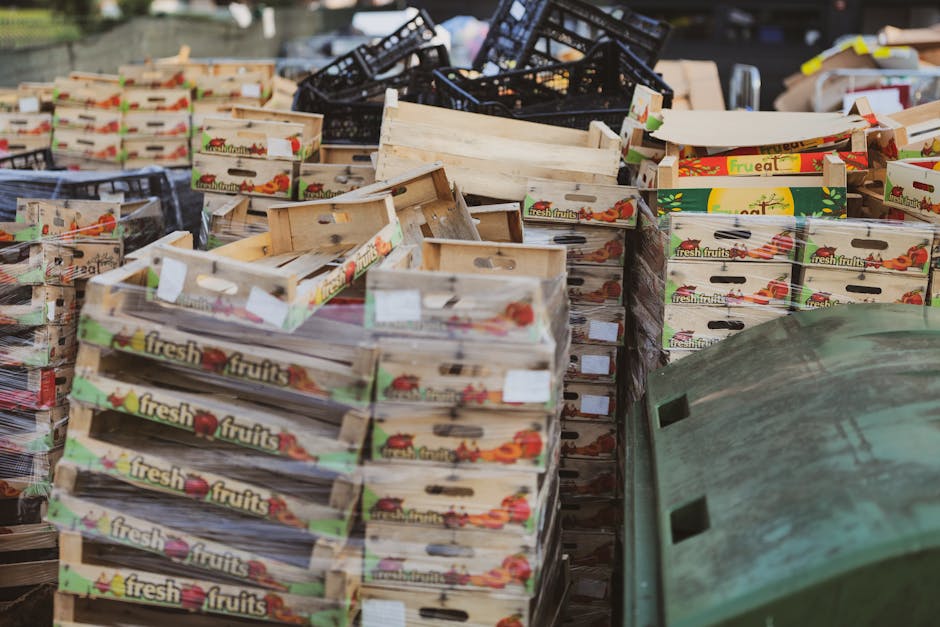
A market stall lives and dies by pace. If waste starts stacking up behind the counter, around the trolley, or under the table, it affects more than appearances. It can slow down packing, create trip hazards, attract pests, and make a small stall feel cramped. Nobody wants to weave round old boxes while serving customers on a Saturday morning.
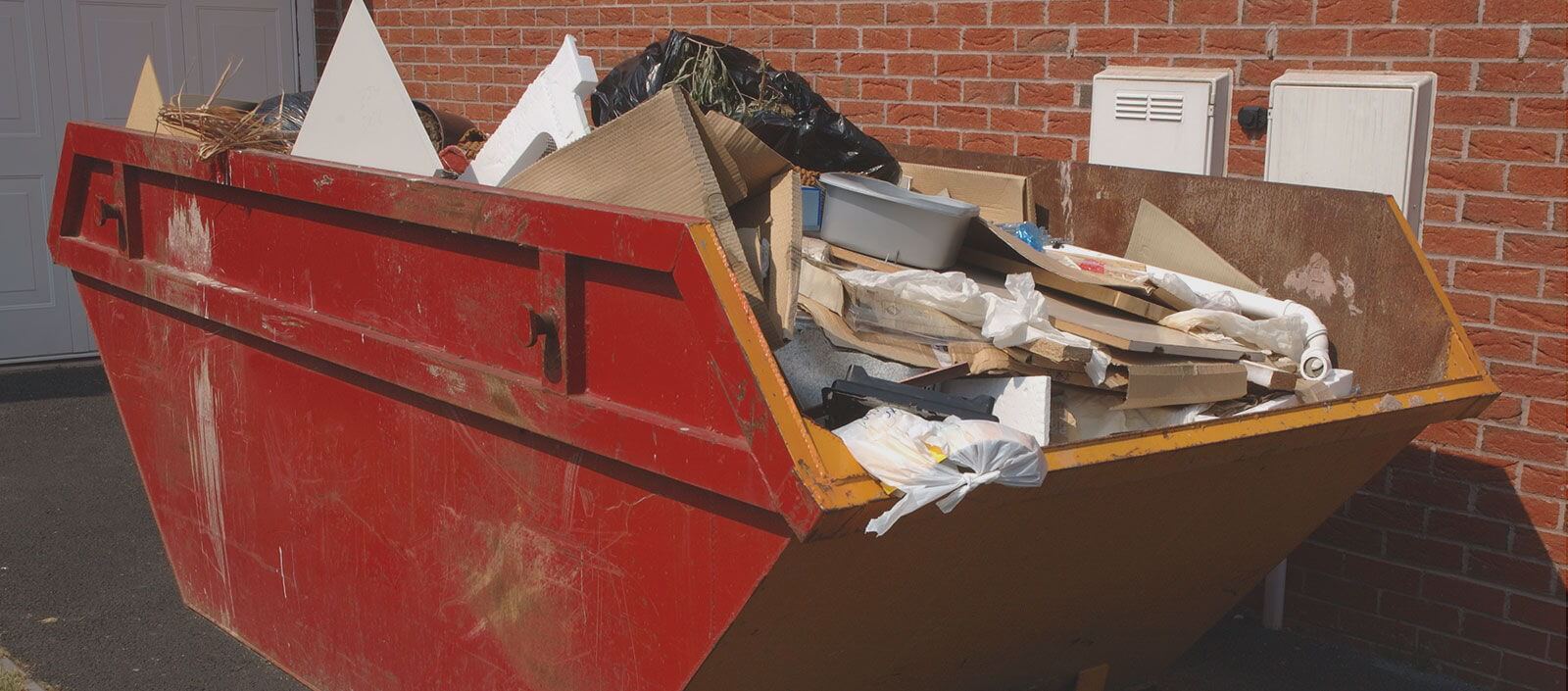
For traders, the word cheap should mean efficient and sensible, not flimsy or risky. In practice, that means paying for only the waste you actually have removed, choosing the right collection frequency, and avoiding over-sized skip hire when a lighter, faster solution would do. A lot of traders also benefit from same-day or short-notice collection, because market life rarely runs on a neat 9 to 5 rhythm.
There is also a visual side to it. Tooting Market has a lively, characterful feel, and a clean stall helps that energy. A tidy frontage can make stock look better, reduce stress for staff, and send the simple message that your business is organised. That matters. Customers notice, even if they do not say so.
And then there is the budget side. Small businesses are always balancing outgoings, so clearing rubbish cheaply and properly is a practical way to protect margin. A few pounds saved here and there is not glamorous, but over a month it can make a real difference. Not dramatic. Just useful. Which, in business, is often enough.
How cheap rubbish clearance for Tooting Market traders works
Most market traders need a service that can collect mixed commercial waste, cardboard, packaging, damaged stock, old fixtures, and sometimes bulky items such as shelving or worn display furniture. The process is usually straightforward: you explain what needs removing, arrange a collection slot, and the waste is loaded and taken away by a licensed carrier.
The key to keeping costs down is clarity. If you know what you have, where it is, and how much space it takes up, you can avoid paying for guesswork. A well-planned collection is quicker to load, which usually means less labour time and fewer surprises. That is especially helpful if you are working around opening hours or trying to get the stall ready before the market gets busy.
In many cases, traders use a mix of ad hoc clearances and routine pickups. For example, cardboard and packaging may build up steadily through the week, while bulkier waste only appears after a stock refresh, refit, or seasonal clear-out. That mixed pattern is normal. It is why flexible commercial waste support often works better than rigid, one-size-fits-all arrangements.
One sensible approach is to separate waste before collection. Cardboard, soft plastics, broken items, food-contaminated packaging, and reusable bits should not all be treated as one big pile if they do not need to be. Sorting things a bit can sometimes reduce collection time and make recycling easier. Little effort, fair payoff.
Key benefits and practical advantages
The obvious benefit is cost control, but that is only the start. Cheap rubbish clearance can also improve how your stall runs day to day. Here are the benefits traders tend to feel fastest:
- More usable space: Clear stockroom areas, walkways, and behind-the-counter space make work easier.
- Faster closing down: Less rubbish means less end-of-day faff. And everyone appreciates that.
- Cleaner customer experience: A tidy stall tends to look more professional and inviting.
- Lower risk of damage: Waste piled around stock can crush packaging or snag products.
- Better hygiene: Especially important if you handle food, drink, flowers, or other high-turnover goods.
- More flexible budgeting: Paying for only what you need is easier to manage than locking into oversized solutions.
- Less stress: Small jobs are easier to handle when there is a clear plan for clearing waste quickly.
There is also a less obvious benefit: consistency. When a trader knows rubbish will not spiral out of control, the whole pitch feels calmer. That sounds soft, but it is real. A tidy workspace changes how you work, especially during busy periods when your head is already full of customers, stock, and timings.
For traders dealing with regular commercial waste, it can be helpful to look at broader support such as commercial waste removal in Tooting or a more general waste removal service in Tooting if your needs go beyond market rubbish alone.
Who this is for and when it makes sense
This kind of clearance is not just for one type of trader. It is useful for a wide mix of stalls and small businesses, including:
- food and drink traders
- fashion and accessories stalls
- homeware and gift sellers
- artisans with regular packaging waste
- traders doing a seasonal reset
- market businesses moving stock in and out quickly
- stallholders replacing worn furniture, displays, or storage units
It makes sense whenever rubbish starts affecting time, safety, or presentation. If waste is minor and easy to bag up, you may just need routine collection. If there is a lot of bulky packaging after a delivery day, or you have old shelving and fixtures to remove, a one-off clearance is usually more efficient.
A trader might also need this after:
- a refit or seasonal display change
- a stock changeover
- an equipment failure that leaves damaged items to clear
- an end-of-lease or stall handover
- a general declutter before a busy trading period
To be fair, the worst time to think about waste is when it is already in the way. If you can clear it before it becomes a bottleneck, you save time and usually money too.
Step-by-step guidance
If you want the cheapest sensible clearance outcome, approach it in stages. The process is not complicated, but a little organisation goes a long way.
- Identify the waste type. Separate cardboard, mixed rubbish, reusable items, and bulky waste.
- Estimate the amount. A few sacks is different from a full back-of-stall clear-out. Be honest here.
- Group items by access. Put everything close to the exit point if possible so collection is quicker.
- Note any awkward items. For example, display units, white goods, or furniture may need specific handling.
- Choose the right service level. Small waste loads often suit a collection service; bigger jobs may need a broader clearance.
- Confirm timing around market hours. Early morning or late collection windows are often easier for traders.
- Ask what is included. Loading, labour, disposal, and recycling handling should be clear upfront.
- Keep paperwork. Invoice, collection record, and carrier details all matter for business records.
A simple example: if a trader has flattened cardboard, a couple of broken crates, and some old display materials, the job is usually easier if everything is stacked neatly in one spot before the crew arrives. That can reduce loading time and stop the collection drifting into an expensive half-day ordeal. Nobody needs that drama before lunch.
Expert tips for better results
Here is where small decisions really start to pay off. These are the habits that make clearance cheaper, smoother, and less annoying.
1. Clear waste before it becomes mixed
Once food waste, liquids, packaging residue, and broken items have all mingled, the job gets messier and harder to sort. If you can keep waste separated at source, do it. It is cleaner and usually faster.
2. Bundle light materials neatly
Flatten cardboard, tie light packaging where sensible, and keep soft waste contained in sacks. It sounds basic, but neat waste is easier to move and safer to handle.
3. Book collections around turnover
Many traders find it cheaper in practice to book after a stock change or a busy trading stretch, rather than arranging random clearances that interrupt the day. That keeps disruption down. Simple idea, useful result.
4. Be clear about access
If there are stairs, tight doorways, narrow corridors, or restricted loading spots, say so early. Surprises at collection time can slow everything down.
5. Keep an eye on bulky item reuse
Not everything old has to be rubbish. A shelf, rack, or storage unit may be reusable somewhere else in the business. It is worth checking before you pay to remove something useful by accident.
If you are weighing up different collection styles, the services overview can help you think about which support fits the job, while pricing and quotes is useful if you want to understand how estimates are typically handled.

Common mistakes to avoid
Let's face it: waste clearance is easy to put off until it gets messy. That is where the costly mistakes start.
- Waiting too long: The bigger and messier the pile, the harder it is to remove efficiently.
- Booking without checking what is included: Some quotes look cheap until labour, access, or special items are added.
- Assuming all waste is the same: Food waste, cardboard, electricals, and bulky items may need different handling.
- Leaving the load in awkward places: A few extra minutes of prep can save a lot of loading time.
- Using unlicensed operators: Cheap can become very expensive if waste is fly-tipped or handled badly.
- Ignoring business records: You may need evidence of proper disposal for your own peace of mind and audit trail.
One small, but common, mistake is underestimating how fast packaging builds up during a busy week. A trader can start on Monday with a neat stall and end up by Friday with cardboard walls leaning behind the counter. It sneaks up on you. That is usually the point where cheap becomes urgent.
Tools, resources and recommendations
You do not need a warehouse full of equipment to manage market waste properly. A few simple tools make life easier:
- Heavy-duty refuse sacks: Good for mixed light waste and small clear-outs.
- Cardboard cutters or box openers: Useful for flattening packaging safely.
- Stackable crates: Help separate stock, reusable packaging, and waste.
- Label tape or marker pens: Handy for tagging items that should stay or go.
- Small trolley or sack truck: Makes moving bundles faster if access allows.
- Basic recording sheet: Useful for tracking what was removed and when.
In terms of service selection, traders often benefit from looking at a combination of rubbish collection in Tooting for smaller, regular loads and waste carrier licence and compliance information when they want reassurance that the operator is legitimate. That latter point is boring on the surface, but important in real life.
If your waste includes old chairs, counters, or display units, the linked pages for furniture disposal in Tooting and furniture removal in Tooting may also be relevant. For traders dealing with appliances or chillers, white goods and appliance disposal in Tooting is the more suitable path.
Law, compliance, standards and best practice
For market traders, the big compliance question is simple: is the waste being handled by someone who is authorised to take it away, and is the disposal appropriate for the material involved? In the UK, businesses have a duty to manage waste responsibly. That does not mean every trader needs to become a legal expert, thankfully. But it does mean choosing a provider carefully and keeping a sensible record trail.
Best practice usually includes:
- using a licensed waste carrier
- separating recyclable materials where practical
- keeping business waste away from household bins unless it is expressly allowed
- avoiding improper disposal of electrical items, oils, food waste, or other specialist materials
- retaining invoices or collection notes for your records
Compliance is not just about ticking boxes. It protects you from the messy consequences of somebody else's bad behaviour. If waste is fly-tipped after collection, the trail matters. That is why it is sensible to understand a provider's insurance and safety approach as well as its operating standards.
There is also a sustainability angle. Traders increasingly want waste handled in a way that favours reuse and recycling where possible. A good operator should be able to explain, plainly, what happens to the waste after it leaves the stall. No jargon fog. Just clear answers.
Options, methods, or comparison table
Different waste jobs call for different solutions. The best choice depends on volume, access, timing, and how mixed the waste is. Here is a simple comparison that many traders find useful.
| Option | Best for | Advantages | Watch-outs |
|---|---|---|---|
| Regular rubbish collection | Small, recurring market waste | Predictable, straightforward, good for ongoing tidy-up | May not suit bulky items or sudden clear-outs |
| One-off clearance | End-of-week build-up, refits, seasonal resets | Fast, flexible, handles mixed waste well | Needs good prep to stay cost-effective |
| Broader waste removal | Mixed or larger business waste loads | Useful when rubbish is only one part of the job | Quote should be checked carefully for what is included |
| Furniture or bulky item removal | Stalls replacing counters, chairs, racks, or storage | Convenient for awkward items | Access and lifting requirements matter |
For many Tooting Market traders, the sweet spot is a mix: light ongoing collection for day-to-day waste, plus occasional one-off clearance when the stall needs a reset. That mixed model is often cheaper than forcing every job into the same box. Market life, as you know, is never that tidy.
Case study or real-world example
Imagine a small trader selling home accessories and seasonal goods. By midweek, the stall has accumulated cardboard from deliveries, a broken storage crate, several bags of mixed packaging, and an old display stand that no longer fits the layout. Nothing dramatic. Just enough clutter to slow down restocking and make the back area feel cramped.
If the trader waits another week, the waste pile grows, access gets worse, and the stall becomes harder to run. If they book clearance early, flatten the cardboard, stack the reusable bits, and separate the bulky stand from the lighter waste, the removal is usually quicker and cleaner. The end result is not just a tidier pitch; it is a more usable pitch.
That is the practical reality of cheap rubbish clearance. The savings usually come from organisation, not luck. A clear plan, a modest amount of prep, and the right type of collection can turn a messy end-of-week job into a quick reset. Not glamorous, but effective.
For traders with nearby premises or storage space, the same approach can help when coordinating with office clearance in Tooting or house clearance in Tooting if business stock and personal items are being cleared around the same time. Some jobs overlap more than people expect.
Practical checklist
Use this before you book a clearance. It keeps things simple and usually saves money.
- Have you sorted cardboard, mixed waste, and bulky items separately?
- Do you know roughly how much waste there is?
- Is the collection point easy to access?
- Have you checked whether anything reusable can be kept?
- Do you know if the waste includes anything special, like electrical items or food-contaminated packaging?
- Have you asked what the quote includes?
- Do you know when the collection can happen around market hours?
- Have you confirmed the operator is properly licensed?
- Will you keep the invoice or job record for your business files?
- Are you booking the right service for the waste type, not just the cheapest headline price?
If you can tick most of those off, you are already ahead of the game.
Get a free quote today and see how much you can save.
Conclusion
Cheap rubbish clearance for Tooting Market traders is really about balance. You want a service that is affordable, quick, properly licensed, and flexible enough for market realities. You also want a process that keeps your stall tidy without eating into trading time. That balance is where the real value sits.
The best approach is rarely the most complicated one. Sort waste early, book the right type of collection, ask clear questions about what is included, and use a provider you can trust. Do that, and clearance stops being a nuisance and starts becoming part of your rhythm. A small thing, maybe. But on a busy market day, small things matter.
And if the stall looks calmer, cleaner, and easier to work in by the end of the day, that is a win worth having.